
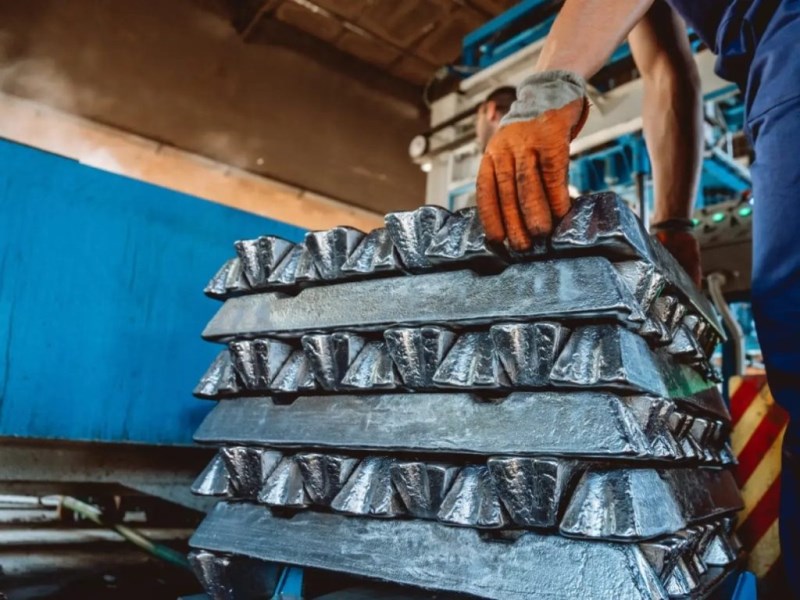
According to the Trade, Mining, and Steel News Agency, new market analyses indicate that geopolitical risks in the Middle East and the Persian Gulf have moved beyond the phase of “temporary and transient shocks” and are now established as a permanent and structural cost variable in the aluminum value chain. This shift in approach has forced metallurgical giants to redefine their supply and logistics strategies, given the critical role of exports from this region in meeting global needs.
Based on 2025 statistical data, the global production of primary aluminum has reached approximately 73.8 million tons. Meanwhile, the Gulf Cooperation Council (GCC) countries, with an annual production of around 6.16 million tons, play a key and decisive role in this market. Since over 80% of the aluminum produced in this region is exported to international markets, any change in the operational conditions of Gulf producers immediately has a significant and decisive impact on the global supply chain of this strategic metal.
The events in March in the United Arab Emirates and Bahrain once again highlighted the high sensitivity of the global supply chain. The three-month shutdown of the Al Taweelah alumina refinery (owned by the UAE’s EGA group) and the temporary reduction of one-fifth of the production capacity of the Alba (Aluminum Bahrain) company demonstrated that market regulators and major buyers must make more accurate predictions to manage operational risks and prevent supply chain disruptions.
In this regard, international experts predict a possible reduction of 3 to 3.5 million tons in production in this industry by the end of 2026. This relative limitation in supply has increased demand for risk-hedging investments, manifesting in the growth of premiums, increased maritime transportation costs, changes in cargo insurance tariffs, and increased project financing costs in various regions of the world; a trend that is driving major producers to optimize their logistics chain and strengthen